Sovereignty in
Action Awards
2026 Sovereignty in Action Awards
First Nation, Inuit, and Metis Peoples within so-called Canada are invited to apply or nominate another relative to be awarded $2,500 to honour their work — whether it's on the land, in language, research, or acts of resistance and care.
This year we are honoured to offer two opportunities to apply!
Next intake of applications opens: August 1
Food Sovereignty
Cultural Revitalization
Land & Water Protection
Mental Health & Healing
Community Organization
Language & Traditional Knowledge
Direct Action
Emergency Response
Ceremonies
Creative Assistance
Food Sovereignty Cultural Revitalization Land & Water Protection Mental Health & Healing Community Organization Language & Traditional Knowledge Direct Action Emergency Response Ceremonies Creative Assistance

Honouring Indigenous-led Climate Justice
Through this initiative, we are honouring the bravery and commitment of our communities demonstrating Indigenous sovereignty that is vital to Indigenous climate action in so-called Canada. Rooted in reciprocity, this initiative informs the ways we continue to work towards a world with sovereign and thriving Indigenous Peoples and cultures, leading climate justice for all.
-
We believe the dedication of Indigenous communities upholding climate action and sovereignty and self-determination deserves recognition and support, and in 2026 we hope that this low-barrier nomination will allow us to help in achieving our goals to:
Award up to $80K annually through four intakes to Indigenous grassroots organizations and individuals across so-called Canada.
Recognizing and strengthening existing Indigenous initiatives. The Sovereignty in Action Awards is not intended to seed new projects, but rather uplift meaningful work already being stewarded.
-
Eligibility requirements must be read through before submitting a nomination.
Must be Indigenous-led. Not exclusive to reserve, or within First Nations, Métis or Inuit Communities. Urban applicants are also welcomed.
Applicants can nominate leaders in their communities, or themselves!
Applicants must be at least 18 years of age. ICA strives to distribute across a variety of age demographics with 15% reserved for youth-led initiatives.
Applicants must be located in Canada. ICA strives to equally distribute in supporting funding across all biomes. This is considered in our selection process.
Applicants must be able to provide brief oral, written or creative testimonials, photos and or blog contributions.
Applicants must already be working on a project, a grassroots community group, an initiative, or any action-oriented contribution to Indigenous resurgence. SIA funding is not intended to seed new projects, but rather, uplift meaningful work already being stewarded.
-
Removing gatekeeping: Self-nomination is allowed, and no formal project proposal is required.
Uplifting what already exists: Instead of asking applicants to create something new, SIA honours and amplifies the work people are already doing.
Photos and stories are collected at the application stage: Not to gatekeep, but to uplift and amplify your work through our social media, with care and consent. This helps bring visibility to your leadership and builds broader public support for Indigenous climate justice.
No non-profit status needed: Individuals, collectives, and grassroots groups are all eligible.
Storytelling: Submissions can be oral, written, visual, or creative - centering relational accountability over metrics.
Accessible eligibility: Open to Métis, First Nations, and Inuit individuals and groups - whether rural, urban, on or off-reserve, status or non-status.
Sovereignty in Action Awards 2026 - Cohort 1 Recipients
-
![]()
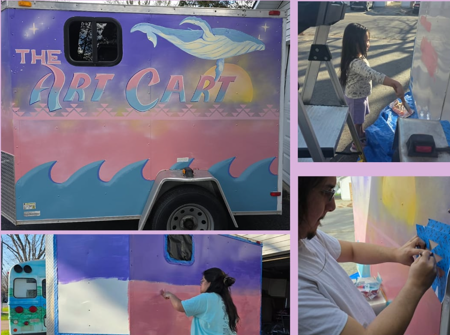
The Art Cart
The art cart is a mobile creative education initiative that brings free, accessible, artmaking directly into Akwesasne and surrounding communities. By traveling to neighborhoods, housing areas, and community gathering spaces, we remove barriers for people who cannot attend events, afford program fees, or access arts programming due to transportation, cost, or family responsibilities.
-
![]()
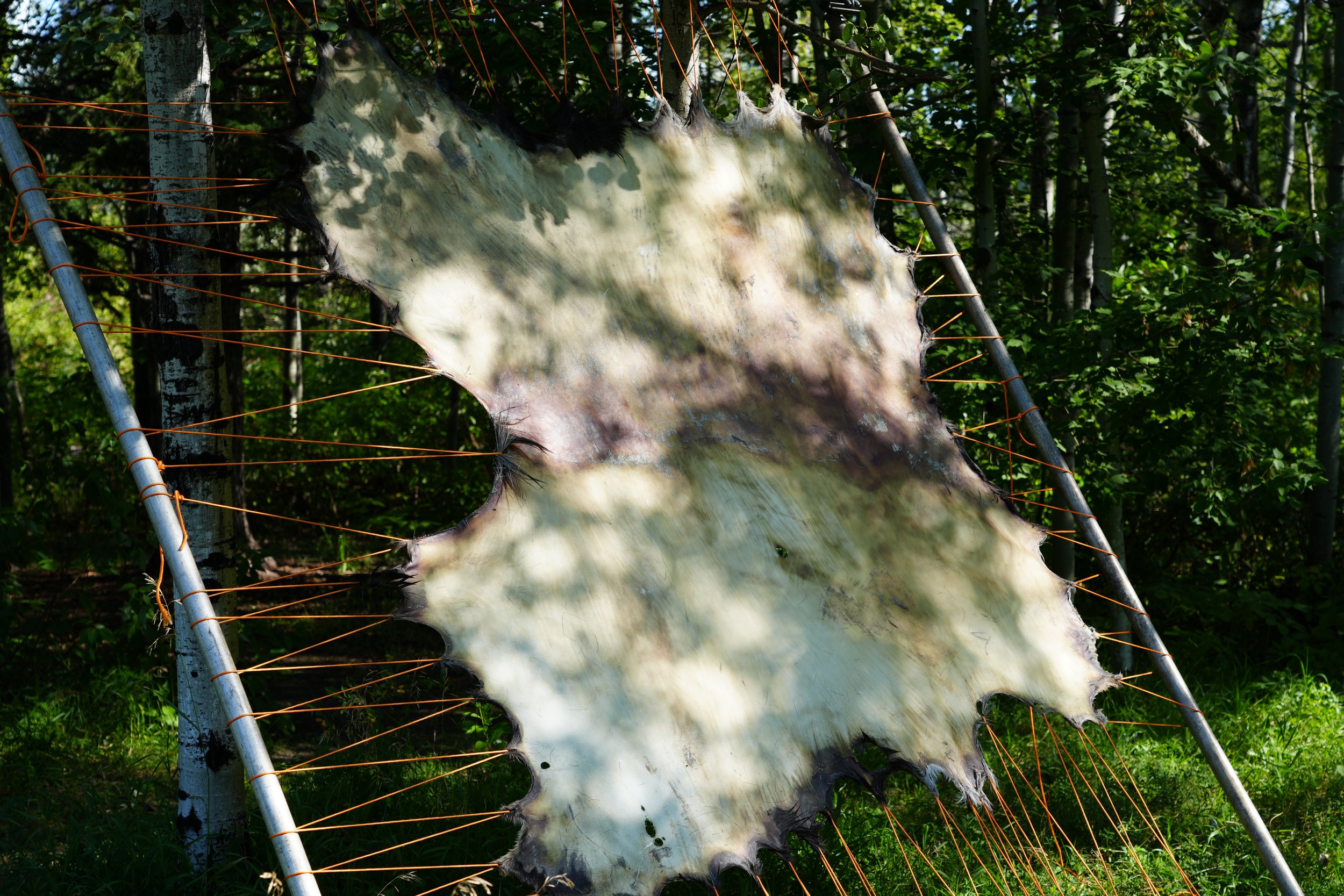
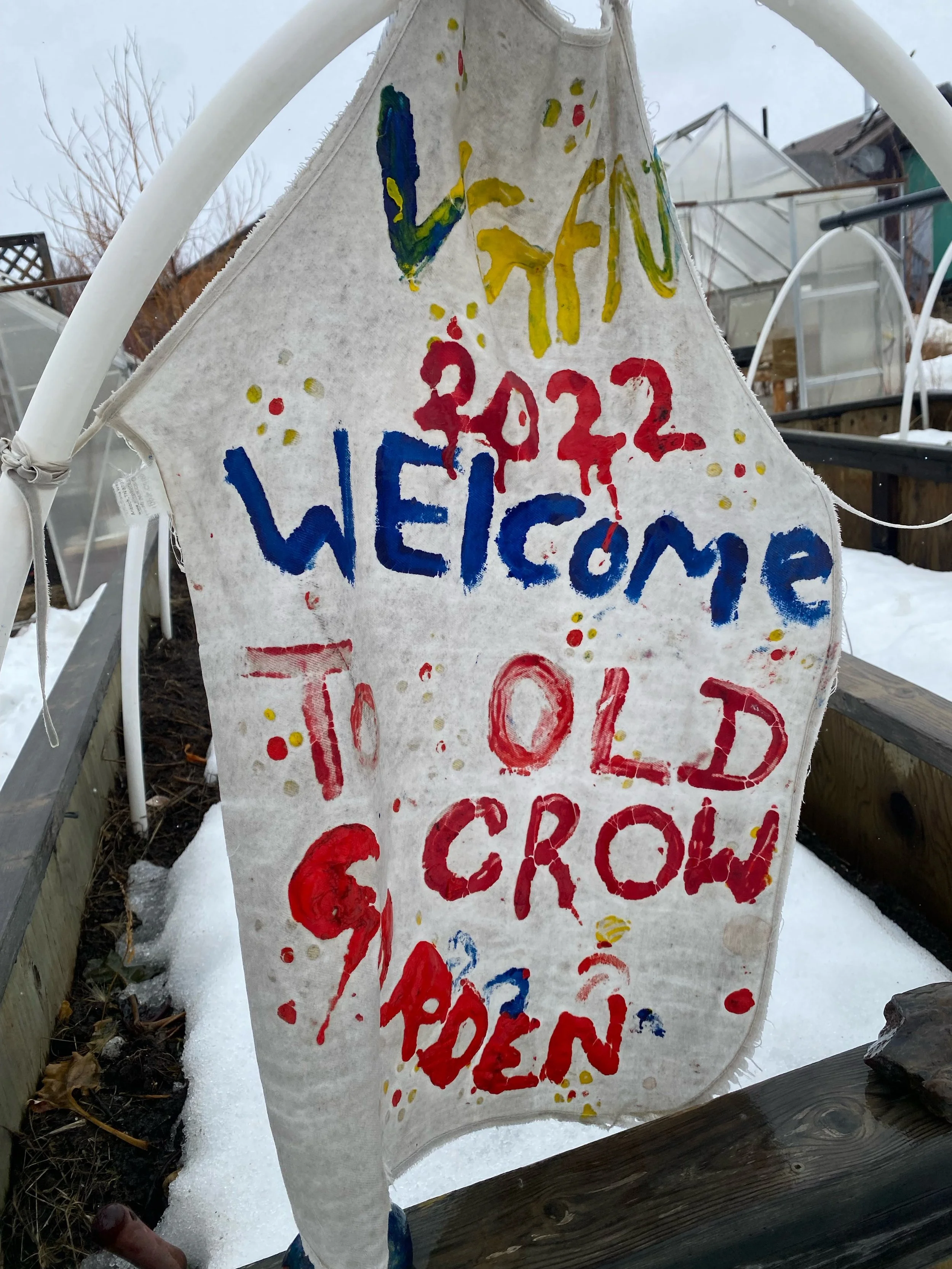
Old Crow Community Garden
Chosen and led by Vuntut Gwitchin moms in Old Crow, Yukon, this project supports the community of 250 people by revitalizing the community garden to strengthen food sovereignty and security.
-
![]()
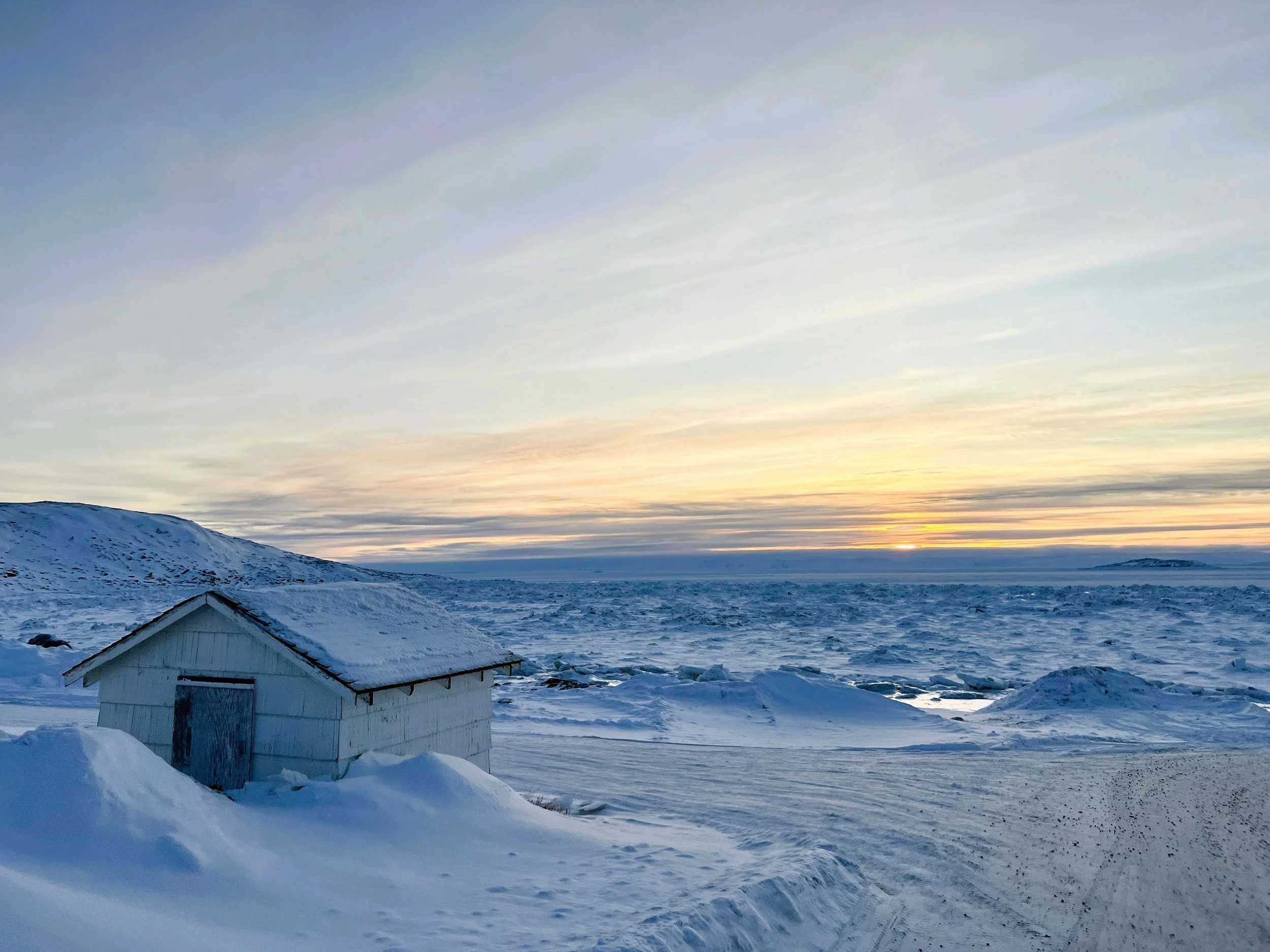
Sikumik Qaujimajjuti
Sikumik Qaujimajjuti (“A tool to know how the ice is”) is a community-led training and monitoring program co-developed by smartICA and Inuit communities in 2019 to navigate increasingly unpredictable sea ice conditions caused by climate change. Safe ice travel is essential to food security, health, and cultural continuity across the Arctic, but thinner ice and shortened ice seasons are making traditional routes hazardous.
-
![]()
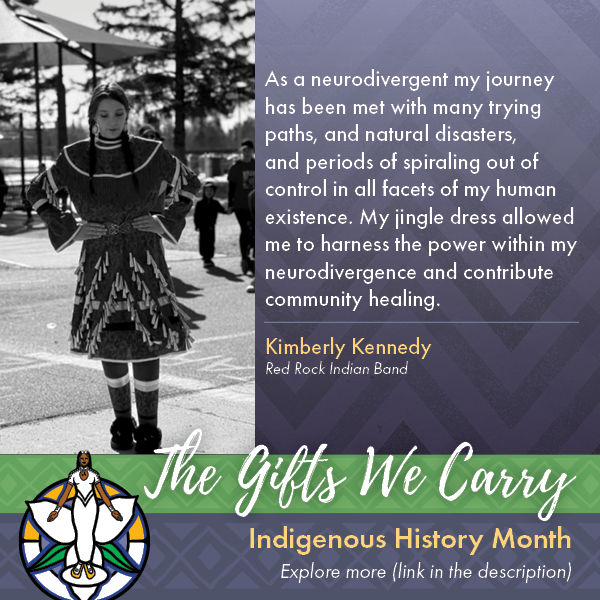
Red Dress Run - Thunder Bay
The Red Dress Run is an incredibly important event in Thunder Bay, the only event to take place in the northern part of our city with a high population of Indigenous families. Together the Red Dress Run has become a community lead event in advocacy and education that fosters reconciliation for survivor families. We implement story work, traditional dancing and drumming to cultivate healing for our community.
-
![]()
Ulluilsc
Our mission is to caretake and protect our land and relational way of being by reoccupying our traditional village sites, harvesting medicines, hunting and fishing, reconnecting to traditional food systems and teaching people on the land. Ulluilsc was initiated by St’at’imc elders from Xwisten and hereditary Chiefs who wanted to protect our traditional village site and reclaim the St’at’imc way of living in Ulluilsc.
-
![]()
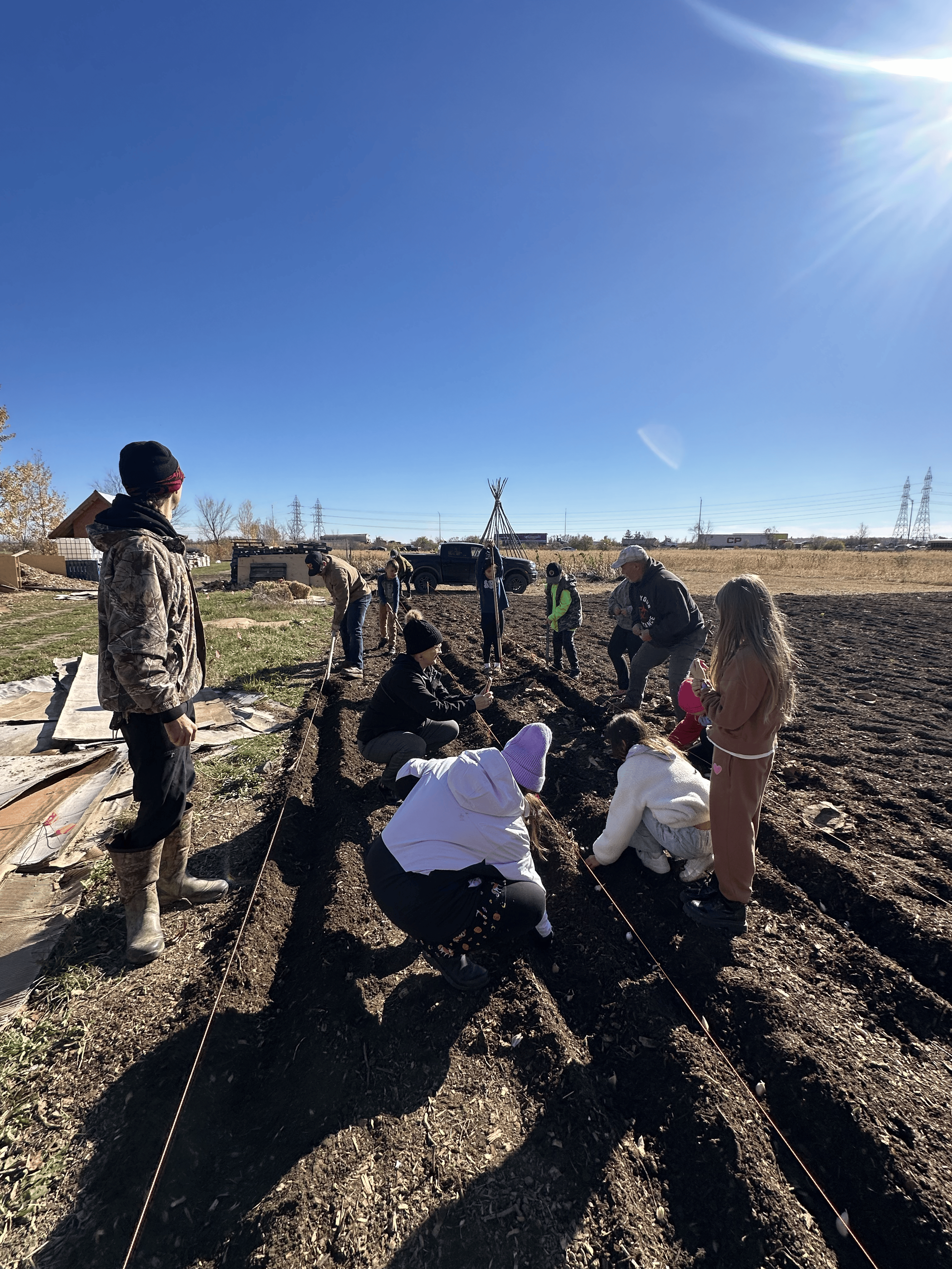
Tkà:nios It Grows
Tkà:nios is a grassroots, land-based initiative rooted in Kahnawà:ke, created to rekindle our connection to land, food, and one another through Haudenosaunee ways of knowing and being. Since its founding in 2022, the work has been guided by community, ceremony, and the teachings of the natural world, particularly the 13 lunar cycles that shape how we gather, grow, harvest, and learn together.

Past SIA Recipients
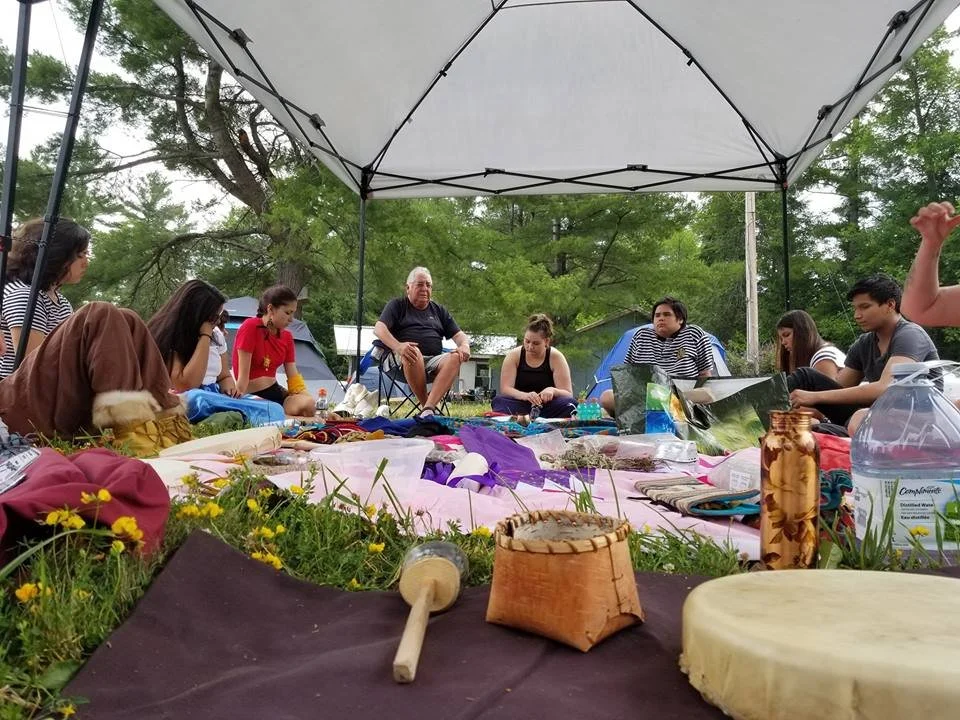
2021 Awardees
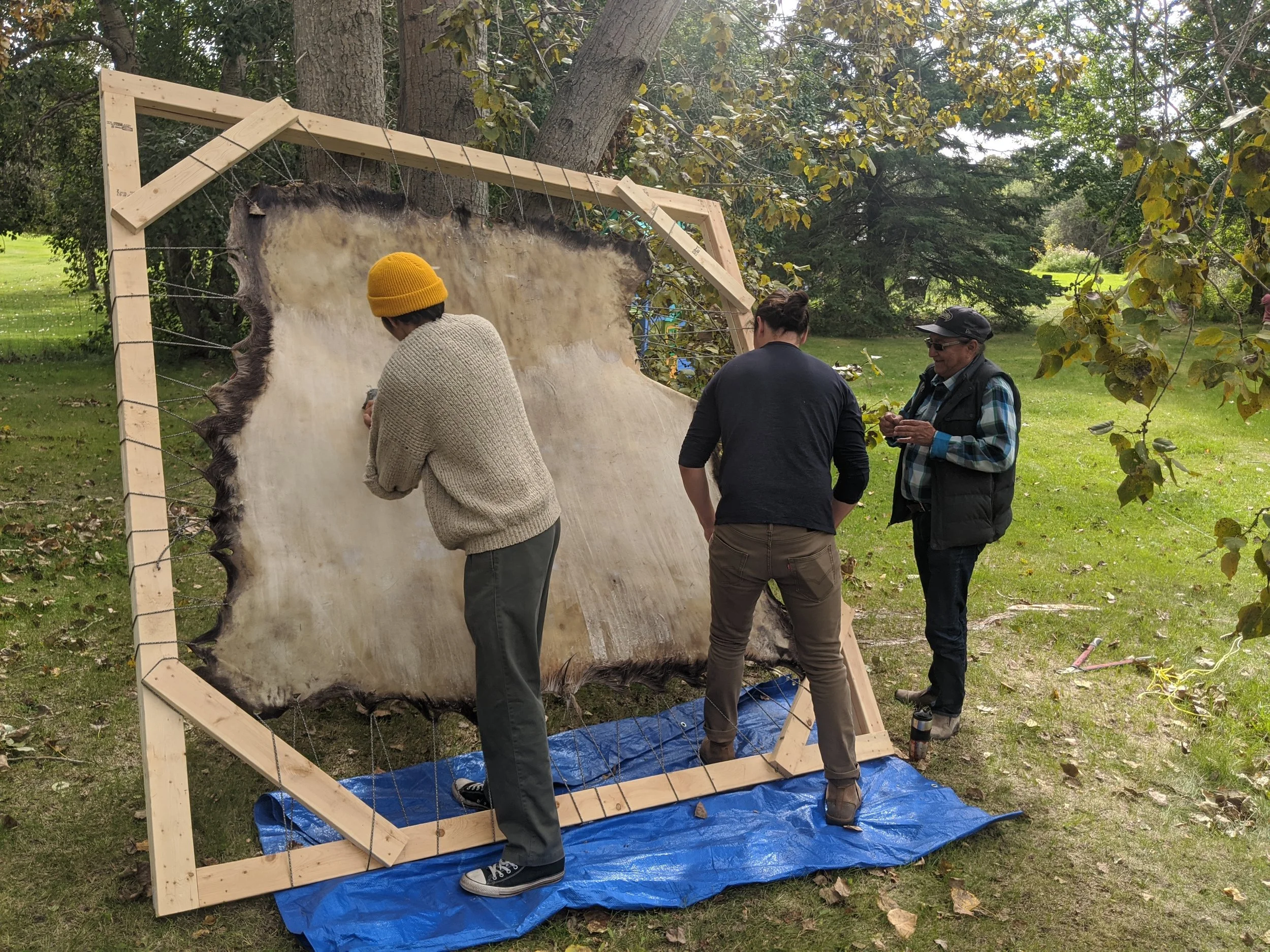
2023 Awardees
2024 Awardees
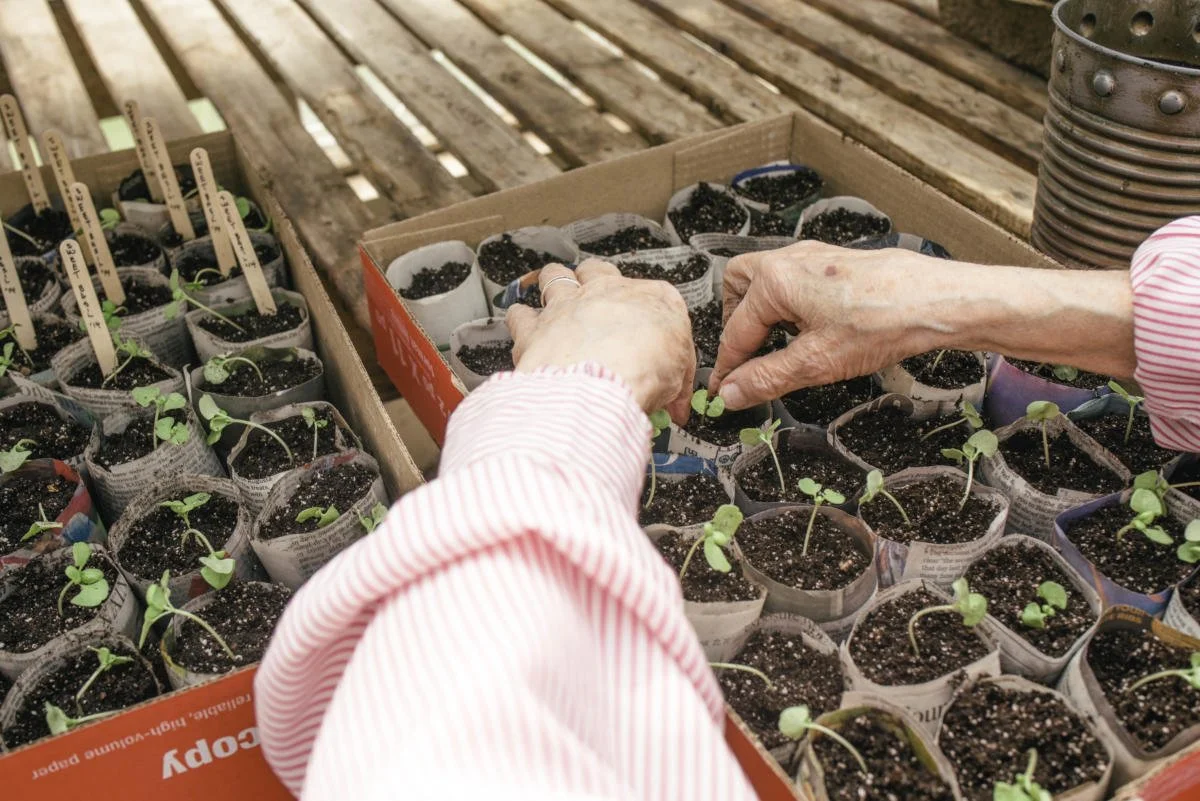
2025 Awardees
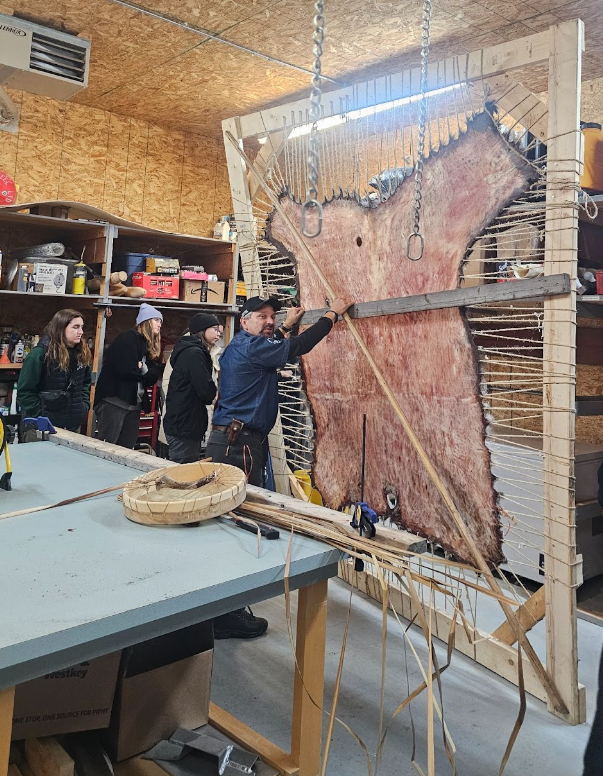
Remington Bracher
“Sovereignty is not just a political statement or goal; it’s a lived practice grounded in our laws, relationships, and responsibilities to the land, water, animal relatives, and one another.”
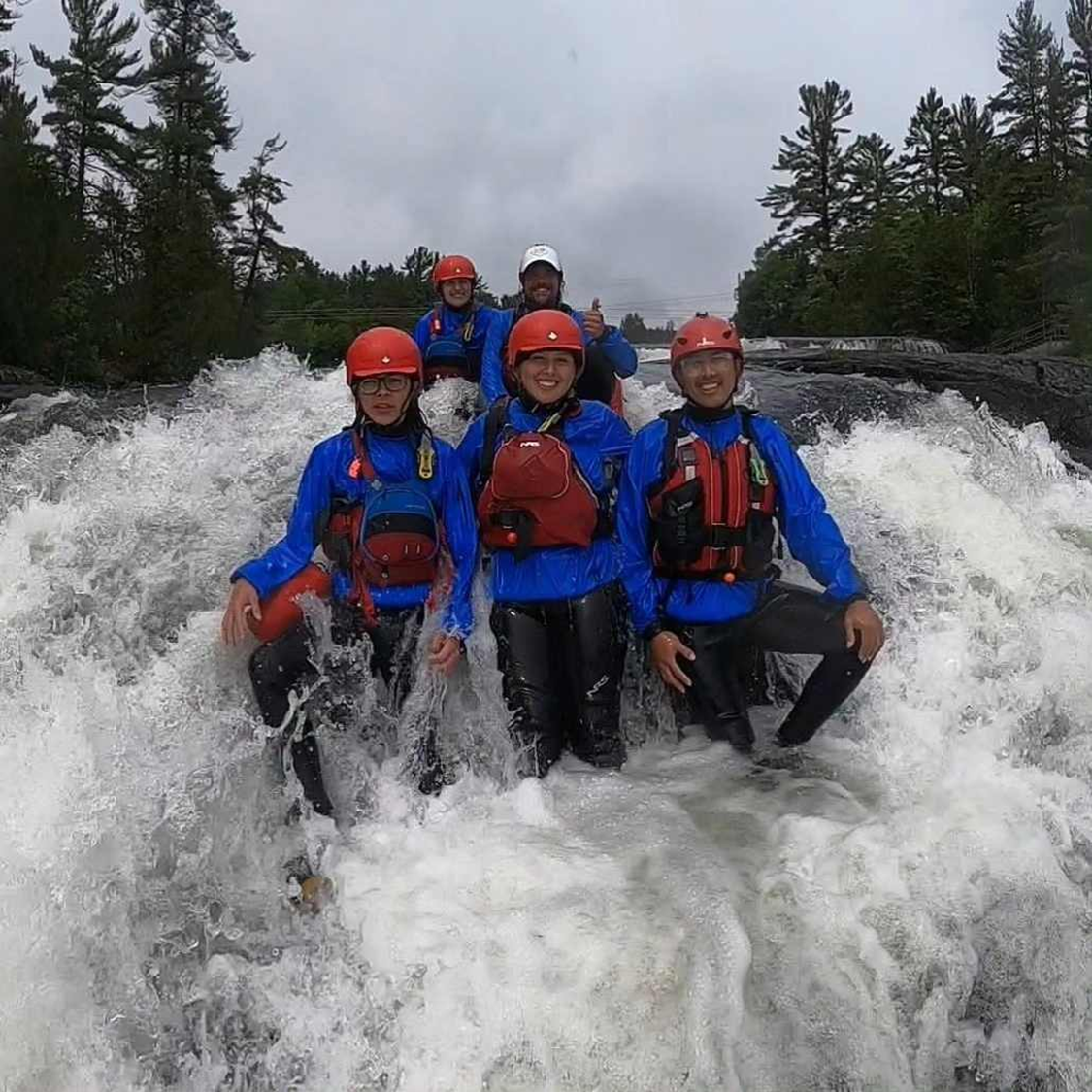
Waterway Collective
“As a result we have created programming in contaminant monitoring programming that aims to educate the local Indigenous communities and youth on the effects of these operations and how to test for contaminants.”